

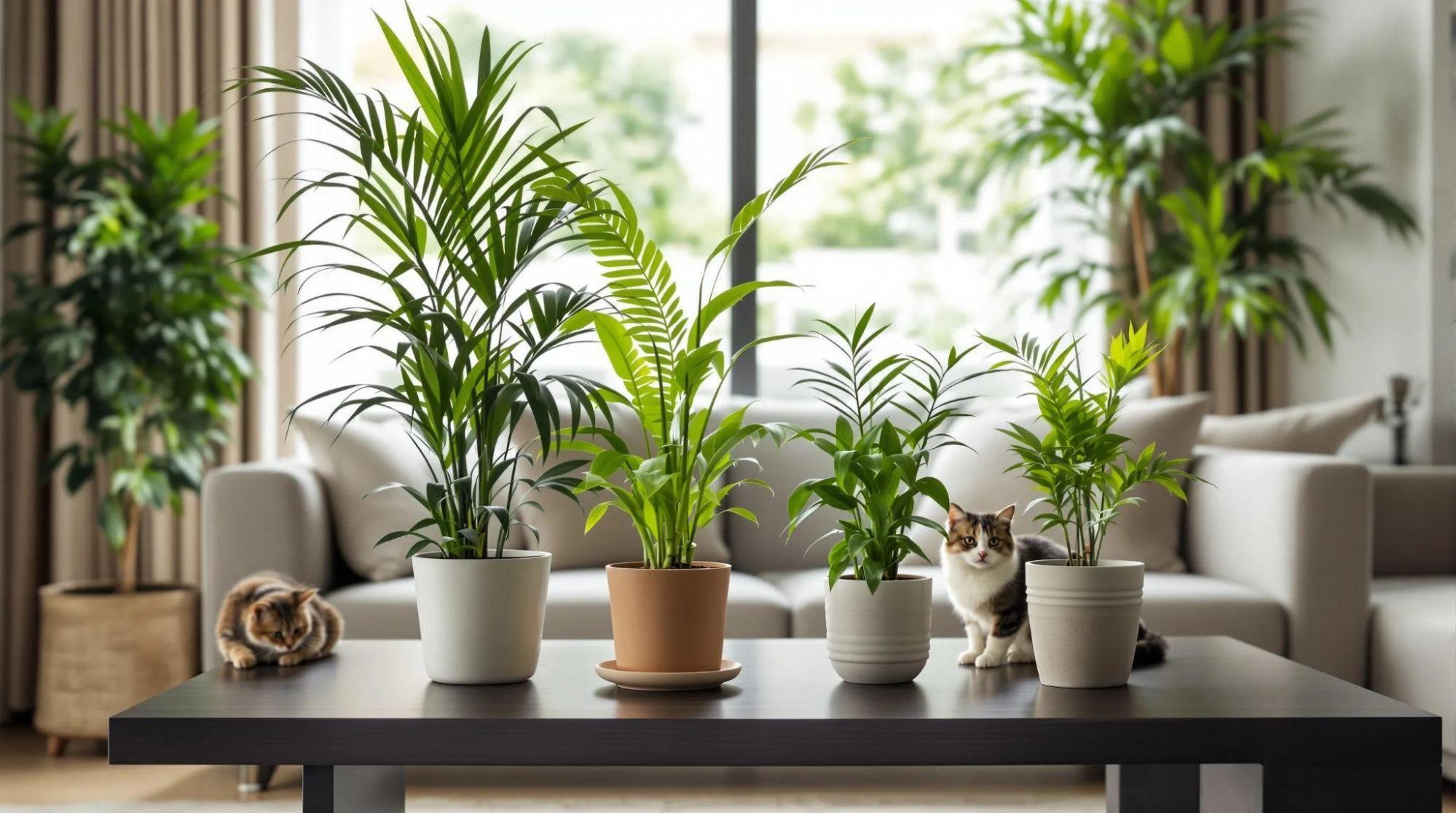

Low Light Indoor Plants Safe For Cats
Are you tired of watching your fur baby eyeing your beloved houseplants like they’re an all-you-can-eat buffet? Look no further. Today, we’re diving into the world of indoor gardening with a twist: low light plants that won’t harm our feline friends. So, prepare your green thumbs and protect those whiskers because it’s time to create a safe, leafy oasis in our homes.
Why Choose Cat-Safe Indoor Plants?
Choosing cat-safe indoor plants makes our homes feel vibrant and secure for our pets. We all know that cats love to explore, sometimes munching on our leafy companions without a second thought. But, many plants are toxic to cats, leading to vomiting, lethargy, or worse. By selecting plants that are safe for cats, we not only protect our furry friends but also enjoy the peace of mind that comes with a pet-friendly environment. It’s a win-win situation. Plus, cat-safe plants often add a unique touch to our decor, showing off our love for both plants and pets.
Benefits of Low Light Indoor Plants
Low light indoor plants are perfect for those of us who might lack an east-facing window or who live in cloudy areas. These resilient plants thrive in less-than-ideal lighting conditions, turning even the gloomiest corners of our homes into lush retreats. Not only do they brighten our spaces, but they also improve air quality by filtering out common toxins. Imagine having a mini-ecosystem residing right in our living room. Plus, lower maintenance requirements mean we can enjoy our greenery without spending half our weekend watering and tending to them.
Plus to being low-maintenance, these plants can also contribute positively to our mood. Studies show that greenery can enhance our wellbeing and reduce stress levels. So, not only are we giving our cats a safe environment, but those leafy friends are also nurturing our mental health. Sounds like a no-brainer, right?
Top Low Light Indoor Plants That Are Safe for Cats
Spider Plant: This resilient plant not only looks fantastic but also helps clean the air we breathe. Cats might enjoy batting at its long, arching leaves, and they’re completely safe if they get a nibble.
Boston Fern: This lush, feathery plant loves humidity and thrives in low light. It’s a safe choice for our feline companions, providing them with a beautiful green companion to explore.
Bamboo Palm: This tall beauty adds a touch of elegance to any room and is non-toxic to cats. It’s also known for its air-purifying qualities, making it a smart addition to our cat-friendly home.
Areca Palm: Another slim palm that does well in low light. With its feathery fronds, it provides a fascinating jungle vibe that our kitties will appreciate.
Ponytail Palm: This quirky plant with its bulbous trunk and ponytail of leaves is intriguing to our cats. Best of all, it’s safe for them to be curious about and even nibble on.
Caring for Low Light Indoor Plants
Taking care of our low light indoor plants is as easy as pie. These plants are generally low-maintenance, but we still need to keep a few things in mind to ensure they thrive:
Watering: It’s crucial to avoid overwatering. Let the top inch of soil dry out before adding more water. Each plant has its specific needs, so look it up if you’re unsure.
Humidity: Many low light plants, like ferns, love humidity. If our home is in a dry climate, consider misting them occasionally or placing a small humidifier nearby.
Temperature: Most low light plants prefer temperatures between 60 to 75°F, so keep that in mind when positioning them in our homes.
Dusting Leaves: Since these plants are often in shady spots, dust can accumulate. A quick wipe with a damp cloth will keep them healthy and looking vibrant.
Additional Considerations for Pet Owners
While we’ve highlighted some fantastic low light plants, let’s remember a few additional tips to keep our cats safe:
Placement: Even if a plant is deemed safe for cats, it’s a good idea to keep them out of reach. Our feline friends can be surprisingly adept at accessing high places.
Supervise During Exploration: When introducing new plants, keep an eye on our cats. They might take an interest in sniffing or nibbling, so let’s ensure they’re behaving cautiously.
Signs of Ingestion: Should we notice any unusual behavior in our cats after plant interaction, like excessive drooling or vomiting, contacting our vet is essential.