



If you’re on the hunt for a quirky yet low-maintenance plant, the zebra plant is your new best friend. With its striking striped leaves and charming personality, it’s like the cool kid of the succulent world. But don’t let its good looks fool you; this beauty has a few care secrets up its sleeve that can turn any plant parent into a proud horticultural hero.
zebra plant care succulent
Zebra plants stand out among succulents due to their unique appearance and easy-care nature. These plants thrive in a variety of settings, making them popular among plant enthusiasts.
Characteristics of Zebra Plants
Zebra plants, scientifically known as Haworthia attenuata, feature striking green leaves adorned with distinctive white stripes. These striped patterns give the plant its common name, resembling a zebra. Each leaf grows to around 4 to 6 inches in length, forming a rosette shape. Compact growth habits make them suitable for small spaces. Additionally, they exhibit a slow growth rate, typically reaching maturity within a few years. Healthier specimens may produce small flowers, adding to their charm.
Common Varieties
Several varieties of zebra plants exist, each possessing unique traits. Haworthia attenuata remains the most well-known. This variety showcases pronounced stripes and a thick rosette. Another popular option is Haworthia fasciata, distinguished by its broader, flatter leaves with prominent stripes. Lesser-known varieties, like Haworthia limifolia, feature leaf margins that are more textured, creating a different visual appeal. Collectors appreciate the diversity within these species, making it easy to find one that suits personal tastes.
Ideal Growing Conditions
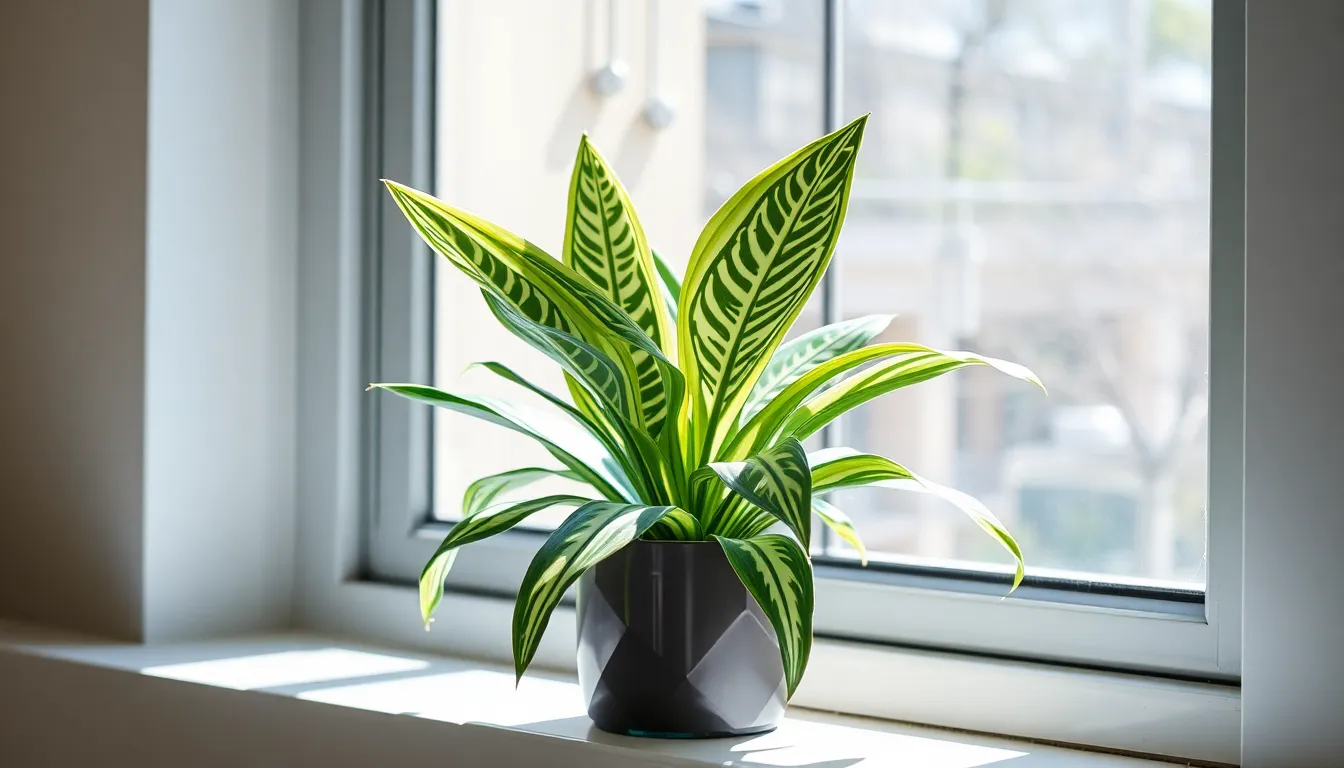
Zebra plants thrive under specific conditions. Understanding these can significantly enhance their growth and health.
Light Requirements
Bright, indirect sunlight is essential for optimal growth. Maintaining a location with filtered light ensures the plant receives adequate exposure without burning its leaves. Direct sunlight can scorch delicate leaves, leading to discoloration. A south or east-facing window often provides ideal lighting. In lower light situations, the plant may exhibit slower growth. If light levels are insufficient, consider using grow lights to supplement day length.
Temperature and Humidity
Zebra plants prefer temperatures between 65°F and 80°F (18°C to 27°C). Exposure to colder drafts or sudden temperature drops can negatively affect their health. During winter, keeping them above 50°F (10°C) is crucial. Maintaining moderate humidity levels around 30% to 50% helps prevent excessive moisture accumulation. Dry environments are acceptable, as zebra plants are tolerant of low humidity. Always ensure proper airflow around the plant to deter mold or fungal issues.
Watering and Soil Requirements
Zebra plants require specific watering and soil conditions for optimal growth. Maintaining these factors prevents issues, ensuring a thriving plant.
Watering Frequency
Water zebra plants only when the soil dries out completely. Typically, this occurs every two to three weeks during the growing season. During winter, reduce the frequency to once a month. Checking the soil moisture with a finger helps determine when to water. Overwatering leads to root rot, a common problem in succulents. Ensuring the pot has drainage holes promotes excess water escape.
Soil Type and Potting
Well-draining soil is essential for zebra plants. Use a cactus or succulent mix that allows for proper drainage. Alternatively, create a mix by combining regular potting soil with sand or perlite. Pot size should accommodate the growth without crowding the roots. Terracotta pots are ideal, as they wick moisture away from the soil. Repotting every couple of years refreshes nutrients and improves growth.
Fertilizing Your Zebra Plant
Fertilizing enhances the growth and appearance of the zebra plant. This succulent benefits from the right nutrients to thrive.
Best Fertilizers for Succulents
Balanced fertilizers formulated specifically for succulents work best. Choose options with a ratio of 2:7:7 or 1:1:1 for optimal results. Liquid fertilizers allow for easy application and quicker absorption. Organic choices like fish emulsion or seaweed extract provide beneficial nutrients. Constantly check for slow-release pellets that provide gradual nourishment over time. Applying a light dose of fertilizer during the growing season supports healthy growth.
Fertilizing Schedule
A fertilizing schedule aligns with the plant’s growth phases. Fertilization should occur once a month during the growing season, typically from spring through early fall. Refrain from fertilizing in winter as the plant enters dormancy. Diluting fertilizer to half-strength prevents potential burn from excess nutrients. Regular monitoring of the plant’s health can indicate the necessity of adjustments in the schedule.
Common Pests and Problems
Zebra plants, like all succulents, face specific pest challenges and common issues. Identifying them early ensures a healthier plant.
Identifying Pests
Common pests that affect zebra plants include mealybugs, aphids, and spider mites. Mealybugs appear as white, cotton-like masses on leaves and stems, while aphids often cluster on new growth. Spider mites create fine webs on the plant, causing yellowing leaves. Regular inspections help catch these pests early. Look for signs of damage or residue on leaves, which indicates an infestation.
Troubleshooting Common Issues
Several problems may arise during zebra plant care. Overwatering leads to root rot, characterized by wilting leaves and a mushy stem. Insufficient light causes slow growth and stretched, weak stems. Pests may trigger yellowing leaves and stunted growth. To address these issues, adjust watering schedules based on soil moisture and ensure adequate light exposure. Quarantine infested plants and treat them with insecticidal soap or neem oil for pest problems.
Conclusion
Caring for a zebra plant can be a rewarding experience. Its unique appearance and low-maintenance needs make it a perfect addition to any home. By providing the right light conditions and a proper watering schedule, anyone can enjoy its striking foliage.
Regular monitoring for pests and adjusting care based on seasonal changes will help keep the plant healthy. With a little attention, the zebra plant can thrive and bring a touch of beauty to small spaces. Embracing these care tips ensures that this succulent remains a vibrant part of any indoor garden.